Matchbox is a modern American restaurant brand known for its wood-fired pizza, elevated burgers, and a casual-but-polished atmosphere that's made it a neighborhood staple across multiple markets. This year, the brand rolled out a refreshed visual identity—new logo, updated colors, and a cleaner system built to work everywhere from printed menus to street signage to third-party delivery apps.
This isn't a dramatic "tear it down and rebuild" rebrand. It's a system upgrade: the kind of change that looks small on a single image, then feels significant once it's applied consistently across menus, storefronts, packaging, and every digital touchpoint where the brand lives.
Before and After

The previous logo: a traditional wordmark paired with a tagline. It was clear and functional, but felt a bit "generic restaurant"—the kind of logo that could belong to dozens of casual dining concepts without strongly claiming a unique identity.
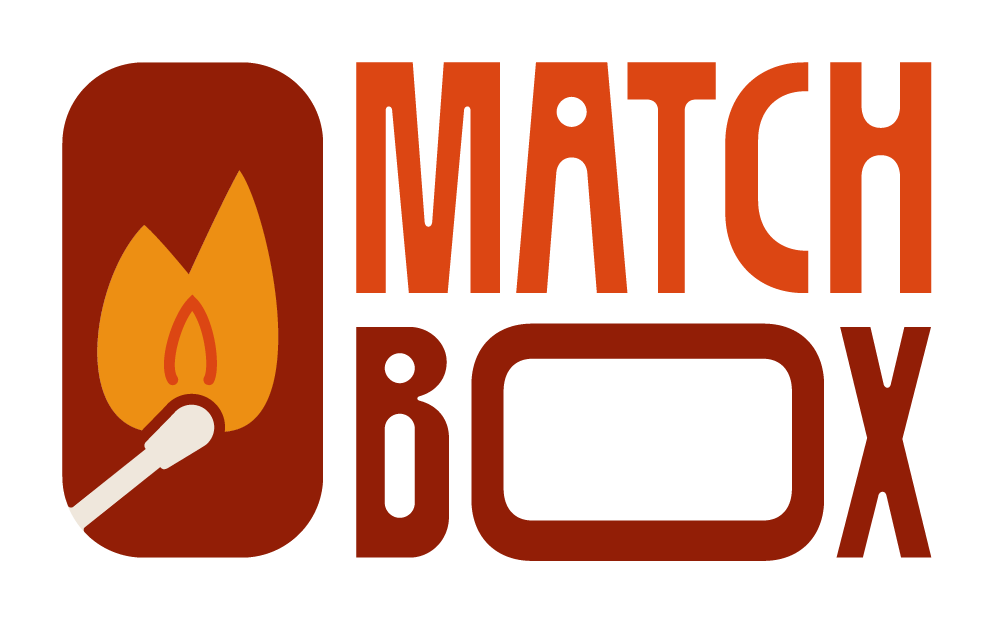
The new logo: a simplified match icon paired with a bolder, more contemporary wordmark. It reads cleaner at a glance, carries more visual weight, and—crucially—gives the brand a recognizable symbol that can stand alone when needed.
The Icon: From Decoration to Badge
The match icon is the obvious hero of this refresh. The previous version worked as an illustration, but the update transforms it into something more powerful: a true stand-alone symbol that doesn't need the wordmark beside it to communicate the brand.
The simplified flame and sturdier silhouette make a real difference because icons do most of their heavy lifting at tiny sizes—social avatars, app tiles, corner stamps on menus, favicon in browser tabs. A cleaner shape with fewer fussy details means:
- Better scaling across sizes without losing legibility
- Stronger memorability as a "one-second" symbol you can spot across a room
- More flexibility to work as primary mark, secondary stamp, or repeating pattern element
This is the difference between a logo that needs explanation and a logo that becomes instant visual shorthand for the brand experience.
Typography: Bolder and More Intentional
The updated wordmark feels more confident—heavier, cleaner, and unmistakably modern. That matters because restaurants live and die by first impressions. A bolder wordmark helps the brand hold its own on crowded streets, fight for attention on delivery apps, and anchor busy menu layouts without getting lost.
The key shift: the logo now looks like a brand asset, not just a name set in a reasonable font. There's intention behind every curve and weight choice. It signals that the brand takes its identity seriously—which, consciously or not, makes customers take it more seriously too.
Color: Leaning Into Heat and Craft
The refreshed palette pushes harder into deeper reds and warm burgundy tones with carefully chosen accents. These aren't arbitrary color choices—they map directly to fire, wood ovens, and the sensory experience of comfort food done right.
It's a smart strategic move. Instead of defaulting to abstract "modern restaurant" neutrality, the identity now connects to a real sensory story: heat, char, glow, warmth. When you see the brand, you should almost smell the wood-fired oven.
The best restaurant branding doesn't just look fresh. It makes you feel the food before you've even seen the menu.
Why This Works
The old mark wasn't broken—it just didn't have distinctive leverage. It was functional without being memorable. The refresh improves what matters most in 2026 branding:
- Clarity at speed. You should recognize a brand in the half-second you're scrolling past it.
- Strength at small sizes. Favicons, app icons, social avatars—these are now primary brand touchpoints.
- A symbol that travels. The match icon can move across mediums without losing identity or requiring explanation.
- System-ready design. It's built for consistent rollout across menus, signage, packaging, and digital without requiring constant adaptation.
The refresh strengthens recognition without changing the name, creates a real badge for stamps and merchandise, modernizes the feel while staying on-theme, and—perhaps most importantly—makes the brand easier to apply consistently as it grows.
What to Watch
The real test of any logo update isn't the mark itself—it's the system around it. Menu hierarchy, photography style, icon sets, signage standards, and how the brand shows up on delivery platforms will determine whether this reads as a confident upgrade or just a cosmetic tweak.
If Matchbox keeps the applications tight and consistent across every touchpoint, this refresh will age well. The foundation is solid. Now it's about execution.